You Won’t Believe These Hidden Spots in Nuku'alofa
Nuku'alofa, the quiet capital of Tonga, hides more than it shows. Far from crowded tourist trails, its true beauty lies in untouched coastlines, local secrets, and quiet moments between palm trees and Pacific waves. I went looking for peace — and found stunning scenery most travelers never see. From secluded beaches to quiet cultural corners, this is a side of Tonga few get to experience. Let me take you there.
Arrival in Tonga: First Impressions of a Hidden Capital
Stepping off the plane in Nuku'alofa, the first thing you notice is the warmth—not just in the tropical air, but in the smiles of the people. There’s no rush, no jostling crowds, no long lines. The airport is modest, almost homely, and within minutes you’re outside, breathing in the scent of frangipani and sea breeze. This is not a city built for mass tourism. Instead, it unfolds like a village wrapped in greenery, where roosters crow louder than traffic and the rhythm of life follows the sun, not a schedule.
Visitors often expect a capital city to pulse with energy, but Nuku'alofa pulses with calm. Streets are lined with low buildings, many painted in soft pastels, their shutters thrown open to let in the light. Children wave from bicycles, elders sit beneath banyan trees, and the pace of conversation is slow, deliberate, and kind. There are no skyscrapers, no shopping malls, and very few chain stores. What you find instead is authenticity—a place where tradition and daily life remain deeply connected.
This simplicity is not a lack, but an invitation. Without the noise of commercial tourism, travelers are gently guided toward deeper engagement. You begin to notice small things: the way a fisherman mends his net on the pier, the sound of church bells drifting across the harbor at sunset, the careful arrangement of flowers on a doorstep. These quiet moments become the soul of your journey. In Nuku'alofa, you don’t just visit—you settle in, and in doing so, you discover that the real luxury is not in luxury resorts, but in peace, presence, and human connection.
Maui’s Tomb & the Royal Tombs: A Quiet Glimpse into Tongan Heritage
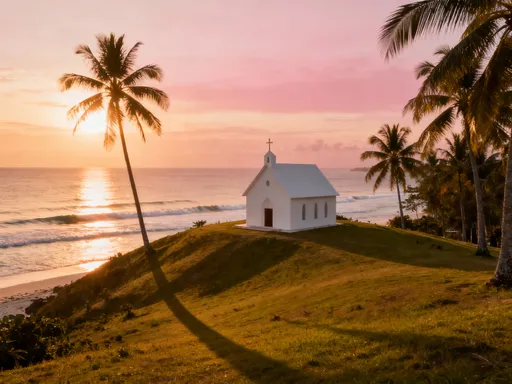
Nestled on a grassy hill overlooking the Pacific, the Royal Tombs offer one of Nuku'alofa’s most serene and meaningful experiences. This is the final resting place of King George Tupou I, the founder of modern Tonga, and other members of the royal family. Unlike grand mausoleums in other parts of the world, this site is modest, almost humble. White stone tombs sit beneath swaying coconut palms, shaded by broad-leafed trees, with the ocean whispering just beyond the cliffs.
Visitors are asked to remove their shoes before stepping onto the sacred grounds—a small gesture that carries deep respect. The atmosphere is one of quiet reverence. There are no loud guides, no souvenir stands, no crowds. Just the rustle of leaves, the distant crash of waves, and the occasional call of a seabird. This stillness allows space for reflection, for feeling the weight of history without the clutter of commercialization.
The significance of this site extends beyond its royal connections. It represents continuity—the unbroken thread of Tongan identity, resilience, and cultural pride. King Tupou I unified the islands in the 19th century and established a constitutional monarchy that endures today. Standing here, you’re not just seeing a burial ground; you’re standing at the heart of a nation’s story. And because it remains off most tourist itineraries, the experience feels personal, intimate, and undisturbed.
Photography is permitted, but with care. Visitors are encouraged to be mindful, to avoid loud voices or intrusive behavior. This is not a photo opportunity, but a moment of connection. For those seeking to understand Tonga beyond its beaches and sunsets, the Royal Tombs offer a rare window into its soul—a place where history breathes quietly beneath the tropical sky.
Pangaimotu Island: The Secret Getaway Just Minutes from Town
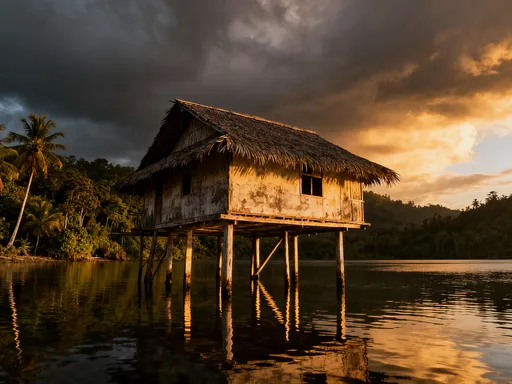
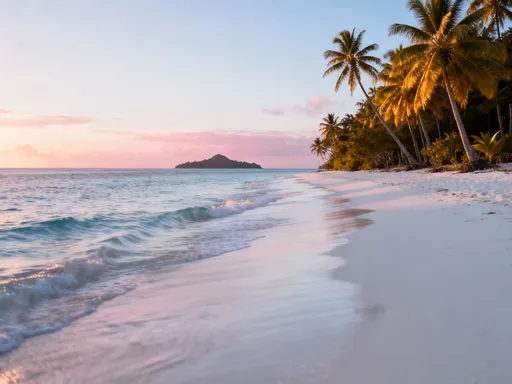
Just a short boat ride from Nuku'alofa lies Pangaimotu Island, a sliver of paradise that feels worlds away. Accessible by a local ferry or a private water taxi in under 30 minutes, this small island is a favorite among residents and in-the-know travelers. Its white-sand beaches curve around turquoise waters so clear you can see every starfish on the seabed. Coconut palms lean toward the sea, and simple guesthouses, run by local families, offer basic but welcoming accommodations.
There’s no electricity grid, no air conditioning, and no Wi-Fi—yet these absences become part of the charm. Nights are lit by lanterns and candlelight, and the soundtrack is the gentle lapping of waves and the chirp of geckos. Meals are often cooked over open fires: fresh fish grilled with lemon and herbs, taro root roasted in coconut milk, and ripe papaya served with a sprinkle of lime. It’s island living at its most authentic.
Days on Pangaimotu are unhurried. You might snorkel along the reef, where parrotfish dart between coral heads and sea turtles glide past like silent elders. Or you might rent a kayak and paddle around the island’s edge, discovering hidden coves where the water is warm and still. Some visitors bring books, hammocks, or sketchpads—this is a place for recharging, not checking off attractions.
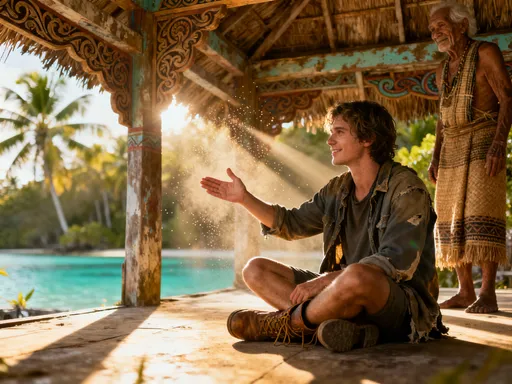
The guesthouses operate on a communal basis. Guests share meals, swap stories, and often join in simple chores like gathering firewood or helping prepare dinner. This fosters a sense of community rare in modern travel. Children from the family may teach you how to weave palm fronds, or an elder might share a Tongan proverb under the stars. It’s not just a stay—it’s an invitation into daily island life, a reminder that hospitality is not a service, but a way of being.
The Hidden Beaches of Tongatapu’s North Coast
While many tourists head south to the famous blowholes of Mapu a Vaea, the northern coastline of Tongatapu holds quieter, wilder treasures. Just a 20-minute drive from Nuku'alofa, the road narrows and the landscape opens to dramatic cliffs, volcanic rock formations, and stretches of sand untouched by footprints. This is raw, untamed beauty—the kind that reminds you of nature’s power and grace.
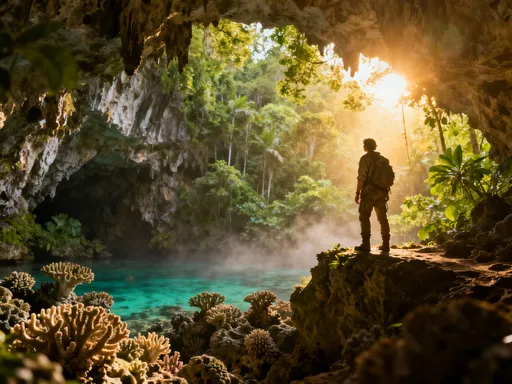
One such spot is Anahulu Cave, a sea cave formed by centuries of wave erosion. At high tide, the water surges into the cavern, creating a natural grotto where sunlight filters through cracks in the rock like liquid gold. The surrounding beach is black sand mixed with coral fragments, and the wind carries the scent of salt and wild herbs. It’s not a place for lounging—it’s a place for exploring, for feeling small in the face of the ocean’s grandeur.
Further north, near the village of Vaini, lie secluded coves where local families picnic on weekends. These beaches are not marked on most maps, but with a little local guidance, they’re easy to find. The water is cooler here, the currents stronger, so swimming requires caution. But for those who respect the sea, the reward is solitude and stunning views—endless horizon, crashing waves, and skies that shift from blue to rose at sunset.
Safety is key when visiting these remote areas. The roads can be rough, and there are no lifeguards or facilities. Travelers should bring water, wear sturdy shoes, and check tide conditions. But these small challenges are part of the adventure. There’s a deep satisfaction in discovering a place few have seen, where the only sounds are the wind and the sea. These northern shores are not about comfort—they’re about connection, about standing on the edge of the world and feeling truly alive.
Local Markets and Street Eats: Tasting the Real Tonga
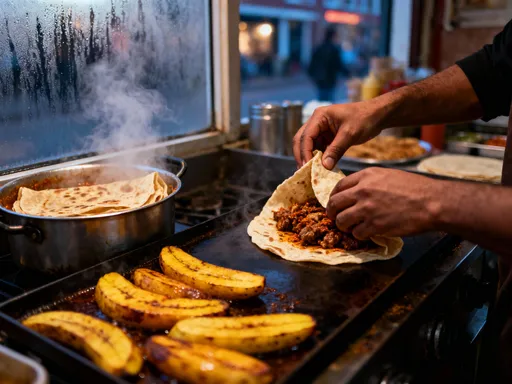
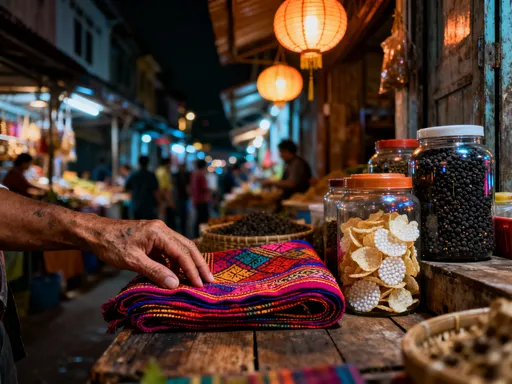
To know a place, you must taste it. In Nuku'alofa, that means visiting the bustling morning market near the wharf, where wooden stalls overflow with fresh produce, handwoven baskets, and the day’s catch. The air is thick with the scent of ripe mango, grilled octopus, and coconut oil. Vendors greet regulars by name, and haggling is gentle, almost ceremonial.
This is where you’ll find the heart of Tongan cuisine: simple, nourishing, and deeply rooted in the land and sea. Taro, yams, and breadfruit are staples, often cooked in an umu—a traditional earth oven where hot stones slow-cook food wrapped in banana leaves. Fresh coconuts are cracked open on the spot, their sweet water poured into cups with a slice of lime.
For a true local favorite, try lu pulu—taro leaves slow-cooked in coconut cream, sometimes with a piece of beef or fish. It’s rich, creamy, and comforting, often served at family gatherings and church events. You’ll find it at roadside stalls, especially in the late morning, served on banana leaves with a side of boiled plantain. Another treat is ota ika, a refreshing raw fish salad marinated in citrus and coconut milk, flavored with chili and onion. It’s light, tangy, and perfect for a hot day.
Eating here is not just about flavor—it’s about participation. You’ll likely be invited to sit on a low stool, share a meal with the vendor, or try a fruit you’ve never seen before. These moments of connection turn a simple snack into a memory. And by supporting local sellers, you contribute directly to the community. In a world of chain restaurants and tourist menus, Nuku'alofa’s street food is a reminder that the best meals are often the simplest, shared with kindness and pride.
Off-the-Grid Adventures: Kayaking and Cycling Beyond the City
For those who love to move at their own pace, Nuku'alofa and its surroundings offer gentle adventures that put you in direct contact with nature and local life. Renting a bicycle is one of the best ways to explore. Simple bikes are available for daily hire, and the flat terrain of Tongatapu makes cycling accessible even for beginners. Pedal along quiet village roads, past wooden churches with red tin roofs, children waving from doorways, and women hanging laundry between palm trees.
The coastal paths offer stunning views—turquoise bays, fishing canoes pulled ashore, and the occasional whale sighting in season. Stop at a village stall for fresh juice, or follow a dirt track to a hidden beach where only seabirds leave footprints. There’s no rush, no schedule. You pause when you want, turn down a side path on impulse, or rest under a tree with a book and a bottle of water. This is travel as discovery, not performance.
Kayaking is another peaceful way to experience the coastline. Calm bays near Pangaimotu and the mainland offer ideal conditions, especially at sunrise when the water is glassy and the air cool. Paddle slowly, listening to the dip of the paddle, the call of terns, and the distant hum of a fishing boat. You might glide over coral gardens, spot a reef shark in the deep blue, or drift above a school of silver fish.
These low-impact activities align perfectly with Tonga’s spirit of quiet preservation. They don’t disturb the environment, they don’t require large infrastructure, and they allow travelers to move with, not against, the island’s rhythm. Whether on two wheels or a single kayak, you become part of the landscape—a quiet observer, a respectful guest, moving through beauty without leaving a trace.
Why Slow Travel Fits Nuku'alofa Perfectly
In a world obsessed with speed, Nuku'alofa teaches a different lesson: that the best experiences come not from how much you see, but how deeply you feel. This is a place where time slows, not because things are lacking, but because presence is valued. The magic of Tonga isn’t in ticking off attractions, but in lingering—a long conversation with a local elder, a nap in a hammock strung between two palms, the way the light changes on the water as the sun dips below the horizon.
Slow travel here isn’t just a choice; it’s a necessity. The island doesn’t operate on a tourist timetable. Shops close early. Buses run when they’re ready. Plans change with the weather or a family event. At first, this can feel frustrating to those used to efficiency. But with time, it becomes liberating. You begin to let go of control, to trust the rhythm of the place. And in that surrender, you find a deeper kind of freedom.
This mindset also supports sustainability. When travelers move slowly, they consume less, disturb less, and connect more. They stay in family-run guesthouses, eat at local markets, and listen to stories rather than chasing photo ops. Their presence becomes a quiet exchange, not an intrusion. And the community benefits directly—through income, mutual respect, and the preservation of culture.
For women aged 30 to 55, many of whom juggle family, work, and endless to-do lists, this kind of travel offers something rare: restoration. It’s not about adventure in the adrenaline sense, but in the emotional one. It’s about remembering how to breathe, how to be still, how to enjoy a moment without documenting it. In Nuku'alofa, you’re not chasing experiences—you’re stepping into them, letting them unfold around you like the tide.
The true scenic wonders of Tonga are not always marked on maps. They’re in the way a child laughs as she chases chickens down a village path, in the quiet dignity of an elder weaving a mat, in the way the stars blaze above a sleeping island. They’re found in the spaces between activities, in the unplanned, the unhurried, the unscripted.
By stepping off the beaten path, travelers don’t just see Tonga—they feel it. And that’s a journey worth taking.