How I Took Control of My Health Without Guessing Anymore
For years, I ignored the small signs—low energy, occasional dizziness, trouble sleeping—thinking they were just part of life. But when my doctor mentioned early warning signs of preventable issues, I realized I wasn’t really monitoring my health at all. That changed everything. Now, I track key signals daily, not to obsess, but to stay ahead. This is how consistent, simple health monitoring became my most effective preventive habit—no magic, just awareness. What began as a conversation with my physician evolved into a personal commitment: to listen closely, respond wisely, and act before small imbalances become serious concerns. Today, I no longer wait for symptoms to escalate. Instead, I pay attention—to my body, my patterns, and my choices—because true well-being starts long before illness appears.
The Wake-Up Call: When Normal Symptoms Aren’t So Normal
Many women between the ages of 30 and 55 experience subtle shifts in their daily lives—a little more fatigue than usual, mood fluctuations that come and go, or sleep that feels less restful. These changes are often dismissed as stress, aging, or the natural rhythm of busy lives. However, when such signs persist, they may not simply be inconveniences; they can be early indicators of deeper imbalances. The turning point for many comes not from a sudden crisis, but from a quiet realization during a routine medical visit. A blood pressure reading slightly above normal, a blood sugar level trending upward, or a cholesterol value that raises an eyebrow—these are not diagnoses, but signals. They represent the body’s way of communicating that something may be shifting beneath the surface.
What makes this moment so significant is the gap between how a person feels and what clinical markers may reveal. Someone can feel “fine” and still be on the path toward preventable health challenges. This disconnect is common, especially among women who prioritize family and work over personal health. The body is remarkably resilient, often compensating for years before symptoms become severe enough to demand attention. Yet, by then, the opportunity for early intervention may have passed. Recognizing that “normal” symptoms are not always harmless is the first step toward proactive care. It’s not about alarm, but about awareness—understanding that fatigue is not just tiredness, and mood swings are not simply emotional reactions, but potential clues to hormonal shifts, nutritional deficiencies, or metabolic changes.
Medical professionals often emphasize that early detection saves lives. Conditions such as hypertension, type 2 diabetes, and cardiovascular disease typically develop gradually, with few obvious symptoms in their initial stages. This is why regular check-ups are essential, even when no immediate problem is suspected. These appointments provide objective data that personal perception alone cannot offer. A woman may believe she is healthy because she “feels okay,” but lab results can reveal insulin resistance, inflammation markers, or early signs of bone density loss. The wake-up call is not a failure; it is an invitation to take charge. It shifts the focus from reaction to prevention, from guessing to knowing. And that knowledge becomes the foundation for lasting well-being.
Why Prevention Works Better Than Reaction
Preventive healthcare is not a trend; it is a scientifically supported approach to long-term wellness. The principle is straightforward: identifying and addressing health imbalances early leads to better outcomes than waiting for a condition to fully develop. Research consistently shows that early intervention reduces the risk of complications, lowers medical costs, and improves quality of life. For example, managing elevated blood pressure before it leads to heart damage can prevent strokes, kidney disease, and heart failure. Similarly, addressing insulin resistance through diet and lifestyle changes can halt the progression to type 2 diabetes. These are not hypothetical benefits—they are measurable, real-world results supported by decades of medical evidence.
The contrast between preventive and reactive care is striking. Reactive care begins when symptoms are severe enough to disrupt daily life—when chest pain leads to an emergency room visit, or when vision changes reveal advanced diabetic complications. At that point, treatment is often more complex, invasive, and costly. Medications may be required, lifestyle adjustments become urgent rather than gradual, and the emotional toll can be significant. In contrast, preventive care allows for gentle, sustainable changes. It empowers individuals to make informed choices before health deteriorates. This is not about living in fear of illness, but about cultivating a sense of control and confidence in one’s ability to influence health outcomes.
Moreover, prevention aligns with the natural rhythms of the body. The human system thrives on balance, and small disruptions are easier to correct when caught early. Think of it like maintaining a garden: watering plants regularly prevents drought stress, just as consistent sleep supports immune function. Waiting until the plants are wilted makes recovery more difficult. The same logic applies to health. When inflammation, hormonal fluctuations, or metabolic shifts are identified in their early stages, the body has a greater capacity to restore equilibrium. This is why preventive strategies such as routine screenings, balanced nutrition, physical activity, and stress management are so effective. They work with the body’s innate ability to heal and regulate, rather than against it.
Ultimately, prevention is an act of self-respect. It acknowledges that health is not a passive state, but an ongoing process that requires attention and care. It shifts the narrative from “I’ll deal with it when it happens” to “I’m taking steps now to protect my future.” This mindset change is powerful. It fosters resilience, reduces anxiety about the unknown, and builds a foundation of trust between an individual and their body. By choosing prevention, women in midlife can move from simply surviving to truly thriving.
What Health Monitoring Actually Means (It’s Simpler Than You Think)
Despite its clinical sound, health monitoring does not require expensive equipment, medical training, or hours of daily effort. At its core, it is the practice of paying consistent attention to the body’s signals. This includes observing patterns in sleep quality, energy levels, digestion, mood, heart rate, weight, and physical comfort. The goal is not perfection, but awareness—learning what is typical for you so that deviations become noticeable. For instance, if you usually sleep soundly through the night, a week of frequent awakenings may indicate stress, dietary changes, or hormonal shifts. Similarly, if your digestion is typically regular, sudden bloating or discomfort could point to food sensitivities or gut imbalances.
One of the most important concepts in health monitoring is the personal baseline. Everyone has a unique physiological rhythm, influenced by genetics, lifestyle, and environment. What feels normal for one person may be a red flag for another. Establishing your baseline means taking time to observe and record your typical patterns over weeks or months. This can be done through simple methods such as journaling, mental notes, or using basic tracking apps. The key is consistency, not complexity. You don’t need a smartwatch to monitor your heart rate; you can check your pulse manually in the morning. You don’t need a sleep lab to assess rest quality; you can rate your sleep on a scale of 1 to 10 each morning based on how refreshed you feel.
Monitoring also extends to emotional and mental well-being. Mood changes, irritability, or difficulty concentrating can be just as telling as physical symptoms. These may reflect blood sugar fluctuations, hormonal changes, or inadequate rest. By tracking both physical and emotional states, a more complete picture emerges. Over time, this awareness helps distinguish between temporary fluctuations and persistent trends that may require further evaluation. The process is not about diagnosing yourself, but about gathering information to share with healthcare providers. When you can say, “For the past three weeks, I’ve felt unusually tired, even after eight hours of sleep,” your doctor has a clearer starting point for assessment.
Health monitoring is not about obsession or anxiety. It is not about chasing ideal numbers or comparing yourself to others. It is about building a relationship with your body—one rooted in curiosity, respect, and care. When practiced with intention, it becomes a form of self-knowledge that empowers informed decisions. And because it is based on real-time observation, it complements, rather than replaces, professional medical advice.
My Daily Check-In Routine: Small Habits, Big Insights
Integrating health monitoring into daily life doesn’t require a major overhaul. The most effective routines are built on small, consistent actions that fit naturally into existing habits. One approach is to establish a morning and evening check-in, taking just a few minutes each time. Upon waking, before checking emails or starting chores, pause to assess your state. How did you sleep? Do you feel rested or groggy? Is your energy level high, low, or moderate? Notice any physical discomfort, such as headaches, joint stiffness, or digestive issues. This brief self-assessment sets the tone for the day and provides valuable data over time.
Hydration is another key factor to monitor daily. Dehydration can mimic fatigue, brain fog, and mood swings, making it essential to track water intake. A simple habit is to keep a reusable water bottle nearby and refill it at regular intervals. Observing urine color can also serve as a quick indicator of hydration status—pale yellow suggests adequate fluid intake, while dark yellow may signal the need for more water. Pairing hydration tracking with your morning routine, such as after brushing your teeth or during breakfast, increases consistency.
In the evening, a second check-in helps reflect on the day’s experiences. How was your stress level? Did you feel overwhelmed at any point? Were there moments of calm or joy? Tracking emotional states helps identify triggers and patterns. For example, you might notice that after back-to-back meetings, your tension rises, or that spending time outdoors improves your mood. Physical comfort is also worth noting—did you experience any aches, digestive discomfort, or changes in appetite? Recording these observations in a journal or notes app creates a timeline that reveals trends over weeks and months.
The power of this routine lies in its simplicity and repetition. Over time, small insights accumulate into meaningful knowledge. You may discover that poor sleep follows late meals, or that your energy dips after consuming sugary snacks. These realizations allow for targeted adjustments without drastic changes. The focus is not on achieving perfect scores every day, but on building awareness and responsiveness. And because the practice is gentle and non-judgmental, it is sustainable. It becomes less of a chore and more of a conversation with yourself—a daily act of listening and learning.
Connecting the Dots: How Patterns Reveal Real Changes
Individual data points—a restless night, a low-energy afternoon, a moment of irritability—may seem insignificant on their own. But when tracked consistently, they form patterns that reveal deeper truths. For example, a woman might notice that every time she eats a particular food, she feels bloated and sluggish the next day. At first, this may appear coincidental, but over several weeks, the correlation becomes clear. This is not diagnosis, but pattern recognition—a crucial step in understanding how lifestyle choices impact well-being. Similarly, someone may observe that their mood dips consistently on days with less than seven hours of sleep, suggesting a strong link between rest and emotional stability.
These insights enable timely, practical adjustments. Instead of waiting for a health issue to worsen, small changes can be made proactively. If poor sleep is linked to screen time before bed, reducing evening device use becomes a logical step. If energy crashes follow high-carbohydrate meals, experimenting with balanced snacks rich in protein and fiber may help. These are not rigid rules, but informed experiments based on personal data. The goal is not to eliminate all fluctuations, but to respond with intention rather than reaction.
Pattern recognition also strengthens communication with healthcare providers. Rather than saying, “I don’t feel right,” you can share specific observations: “For the past month, my energy has been low on weekdays, especially after lunch. I’ve also noticed my heart rate feels higher during routine tasks.” This level of detail gives professionals a clearer picture and supports more accurate assessments. It transforms vague concerns into actionable information. Additionally, tracking patterns helps distinguish between temporary stressors and potential health shifts. A single day of fatigue may be due to a busy schedule, but persistent low energy could indicate an underlying issue worth exploring.
Over time, this practice fosters a sense of agency. You are no longer at the mercy of unpredictable symptoms. Instead, you become an active participant in your health journey. You learn to trust your observations, respond with care, and seek support when needed. This is the essence of preventive health—not waiting for problems to arise, but building resilience through awareness and responsiveness.
The Role of Technology—When to Use It (And When Not To)
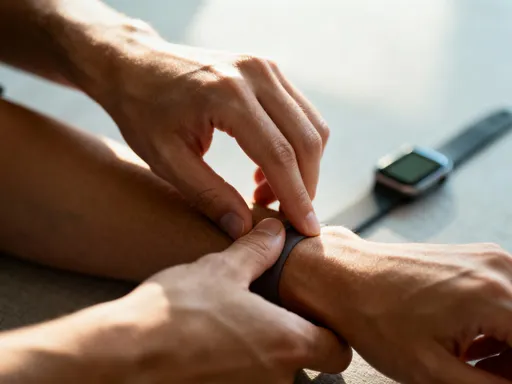
Technology can be a helpful ally in health monitoring, but it should serve the process, not dominate it. Wearable devices such as fitness trackers and smartwatches offer convenient ways to record heart rate, sleep duration, steps, and even stress levels. Home tools like blood pressure cuffs, glucose monitors, and body composition scales provide objective data that can supplement self-observation. For many, these devices increase motivation and accountability, making it easier to stay consistent. However, their value depends on how they are used. When technology enhances awareness without creating anxiety, it is a useful tool. When it leads to obsession or misinterpretation, it can do more harm than good.
One common risk is over-reliance on data. A single elevated heart rate reading does not mean something is wrong; it could reflect stress, caffeine, or lack of sleep. Similarly, a poor sleep score on a tracker does not always mean poor rest—subjective feelings of refreshment matter just as much as machine-generated data. The body’s signals should remain the primary guide. Technology should support, not replace, intuitive awareness. It is also important to remember that not all metrics are equally meaningful. Focusing too much on step count or weight fluctuations can distract from more important indicators like energy, mood, and overall well-being.
Another consideration is privacy and data security. Many health apps collect sensitive information, and users should be mindful of how this data is stored and shared. Choosing reputable platforms with clear privacy policies is essential. Additionally, it’s wise to avoid self-diagnosing based on app results. Abnormal readings should prompt a conversation with a healthcare provider, not a search for alarming explanations online. Technology is best used as a bridge to professional care, not a substitute for it.
For those who find devices overwhelming, simple alternatives are just as effective. A notebook, a calendar, or a basic notes app can track the same information without digital distractions. The key is consistency and honesty in recording observations. Whether using high-tech tools or low-tech methods, the goal remains the same: to stay connected to your body’s story.
Making It Last: Turning Monitoring Into a Sustainable Habit
Like any new habit, health monitoring requires time and patience to become routine. One of the most effective strategies is to link it to existing behaviors. For example, checking in with your energy level while brewing morning coffee or reflecting on your day while brushing your teeth creates natural anchors. These pairings reduce the mental effort required and increase the likelihood of consistency. Setting gentle reminders, such as a daily notification or a sticky note on the bathroom mirror, can also help maintain momentum, especially in the early stages.
Another key to sustainability is avoiding perfectionism. Missing a day or forgetting to track a symptom does not invalidate the entire practice. The goal is progress, not perfection. Approaching the process with kindness and curiosity, rather than judgment, makes it more enjoyable and lasting. It’s also helpful to review progress periodically—weekly or monthly—to recognize patterns and celebrate small wins. Seeing how far you’ve come reinforces motivation and deepens commitment.
Common drop-off points include busy periods, travel, or times of emotional stress. During these moments, simplifying the routine can help maintain continuity. Instead of tracking five factors, focus on one or two, such as sleep and mood. Flexibility prevents the practice from feeling burdensome. Additionally, sharing the journey with a trusted friend or family member can provide encouragement and accountability. Knowing someone else values their health can be inspiring.
Over time, health monitoring transforms from a deliberate habit into a natural way of living. It becomes less about tracking and more about tuning in—a quiet, ongoing dialogue with the self. The long-term benefit is profound: a deeper sense of connection, confidence, and control. Women who practice consistent monitoring often report feeling more grounded, proactive, and resilient. They are not immune to challenges, but they are better equipped to navigate them. This is the quiet power of awareness—not flashy, not dramatic, but deeply transformative.
Health monitoring isn’t about chasing perfect numbers—it’s about staying connected to your body’s story. By paying attention early and consistently, you gain the most powerful advantage in preventive care: time. Time to adjust, respond, and protect your well-being before problems grow. This practice isn’t a cure, but a commitment—to yourself, your future, and the quiet power of awareness. Always consult a healthcare provider for personal medical guidance.