Glow After the Storm: How I Repaired My Skin with Simple Daily Moves
Ever had your skin throw a total tantrum after being unwell or stuck in bed for too long? I did—and it wasn’t pretty. Dullness, tightness, even sore spots. But instead of rushing for creams, I started with movement. Gentle, intentional rehab-style routines changed everything. This is not about quick fixes, but real recovery—where skin healing meets body revival. Let me walk you through how daily micro-efforts brought back my glow, one breath, stretch, and circulation boost at a time.
The Hidden Link Between Skin Health and Physical Recovery
When the body faces illness, injury, or prolonged inactivity, the effects ripple far beyond fatigue or sore muscles. One of the most overlooked consequences is the visible decline in skin condition. The complexion can become dry, lackluster, and uneven, not because of poor hygiene or aging, but as a direct reflection of internal stagnation. The skin, often called the body’s largest organ, does not operate in isolation. It relies heavily on the circulatory system to deliver oxygen and essential nutrients, and on the lymphatic system to remove waste and reduce inflammation. When movement slows—due to bed rest, convalescence, or even emotional stress—these systems slow too.
Reduced circulation means less blood flow to the skin’s surface. Without consistent nourishment, skin cells struggle to regenerate, leading to a dull, tired appearance. At the same time, lymphatic fluid, which normally flushes out toxins and excess fluid, begins to pool, especially in areas like the face and under the eyes. This stagnation often results in puffiness, sallowness, and even sensitivity. Hormonal fluctuations during recovery—such as elevated cortisol from stress or disrupted melatonin from poor sleep—can further compromise the skin’s barrier, making it more prone to irritation and breakouts.
What many people miss is that skincare is not just a surface-level concern. Topical treatments like serums and moisturizers play a role, but they cannot compensate for a body that is not functioning optimally beneath the surface. The skin is a mirror, reflecting the state of internal healing. If the body is still in recovery mode, no amount of hyaluronic acid or vitamin C will fully restore radiance. True skin revival begins with systemic support—restarting the body’s natural rhythms through gentle, consistent movement.
This is where the concept of rehabilitation shifts from being solely about joint mobility or muscle strength to encompassing holistic wellness, including skin health. Physical rehab, traditionally associated with post-surgery or injury recovery, involves structured, low-impact exercises designed to restore function. When applied with intention, these same principles can reactivate sluggish systems, reawaken circulation, and support the skin’s innate ability to heal. Movement, in this context, becomes more than exercise—it becomes medicine.
My Skin Hit Rock Bottom—And Why Creams Didn’t Fix It
After a prolonged bout of illness that left me bedridden for weeks, I emerged physically weaker but emotionally hopeful for recovery. What I didn’t expect was the state of my skin. Once relatively clear and balanced, my face now felt tight, looked uneven, and reacted strongly to products I’d used for years. Patches of dryness flaked around my nose, and a persistent redness lingered on my cheeks. Small, inflamed bumps appeared along my jawline—something I’d never struggled with before. I felt frustrated, even embarrassed, as if my body was broadcasting my illness long after the fever had passed.
My first instinct was to reach for solutions I knew: a new moisturizer, a gentle cleanser, maybe a brightening serum. I cycled through high-end products, fragrance-free formulas, and dermatologist-recommended regimens. Some offered temporary relief—a smoother texture, a calmer tone—but nothing lasted. The moment I skipped a step or had a restless night, my skin regressed. I began to suspect that the issue wasn’t what I was putting on my face, but what was happening inside my body.
It wasn’t until I consulted a physical therapist during my mobility rehab that I made the connection. She noted how inactivity had affected my posture, breathing, and circulation—and how these factors could directly impact skin health. “Your body has been in conservation mode,” she explained. “It’s prioritizing core functions, so surface-level renewal gets delayed. Topicals can support, but they can’t replace the internal processes that feed your skin.” That conversation was a turning point. I realized I had been treating the symptom, not the cause.
The root issues were deeper: poor blood flow from lying down too much, dehydration from reduced fluid intake during illness, and chronic low-grade inflammation due to stress on the immune system. My skin wasn’t broken—it was undernourished and overwhelmed. Instead of layering on more products, I needed to reignite my body’s natural systems. That’s when I shifted focus from external skincare to internal revival, starting with the simplest, most accessible tool: movement.
Rehab Training Isn’t Just for Joints—It’s Skin Fuel
Rehab training is often misunderstood as something only for people recovering from surgery or athletes healing from injury. In reality, it’s a powerful approach for anyone rebuilding strength, mobility, and vitality after a period of physical setback. At its core, rehab training involves controlled, progressive movements that re-educate the body, improve neuromuscular coordination, and restore function without strain. What makes it especially valuable for skin health is its emphasis on gentle activation—enough to stimulate circulation and lymphatic flow, but not so intense that it triggers inflammation or fatigue.
One of the most significant benefits of rehab-style movement is improved circulation. Blood carries oxygen, amino acids, and antioxidants to skin cells, all of which are essential for repair and renewal. When circulation is sluggish—common after prolonged rest—this delivery system falters. By engaging in light, intentional exercises, even from a seated or lying position, we can reignite blood flow to the face and scalp. This doesn’t require strenuous effort; even small movements like shoulder rolls or deep breathing can trigger a vasodilatory response, warming the skin and bringing a natural flush back to the complexion.
Equally important is the role of the lymphatic system. Unlike the circulatory system, which has the heart to pump blood, the lymphatic system relies entirely on muscle contraction and movement to circulate fluid. Without regular motion, lymph can stagnate, leading to puffiness, especially in the morning. Rehab exercises that involve rhythmic motion—such as arm sweeps or gentle neck stretches—help pump lymph toward drainage points in the neck and collarbone, reducing facial swelling and promoting a clearer, more defined appearance.
Additionally, light resistance and neuromuscular activation play subtle but vital roles. As we age or face prolonged inactivity, facial and postural muscles can weaken, contributing to a sagging or tired look. Rehab movements that engage the neck, shoulders, and core help maintain muscle tone, which in turn supports skin structure. Even small improvements in posture can change how light hits the face, enhancing radiance. When the body moves with awareness, it sends signals of vitality—signals that the skin responds to with renewed resilience.
The 4 Core Movements That Changed My Skin
Out of all the exercises I explored during recovery, four stood out for their simplicity, consistency, and visible impact on my skin. These are not intense workouts—they are micro-movements, designed to be done daily, even during the earliest stages of recovery. Each one targets a different aspect of internal balance: breath regulation, facial tension release, upper body circulation, and spinal mobility. Together, they form a gentle but effective routine that supports skin from within.
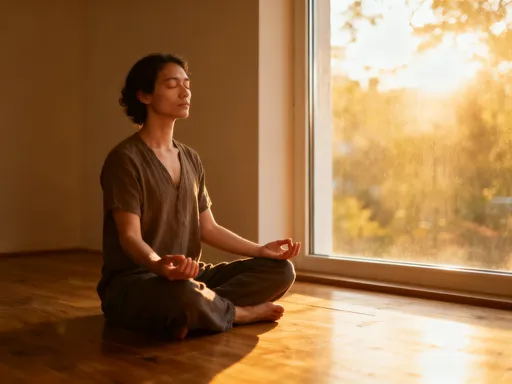
The first is diaphragmatic breathing. Also known as belly breathing, this technique involves slow, deep inhalations through the nose, allowing the abdomen to rise, followed by a controlled exhale through the mouth. I practiced this for five minutes each morning, sitting upright or lying down. The impact was immediate: reduced morning puffiness, a calmer complexion, and a noticeable decrease in jaw tension. Scientifically, deep breathing activates the parasympathetic nervous system, lowering cortisol levels. Since cortisol can trigger inflammation and oil production, managing it through breath helps prevent stress-related breakouts and redness.
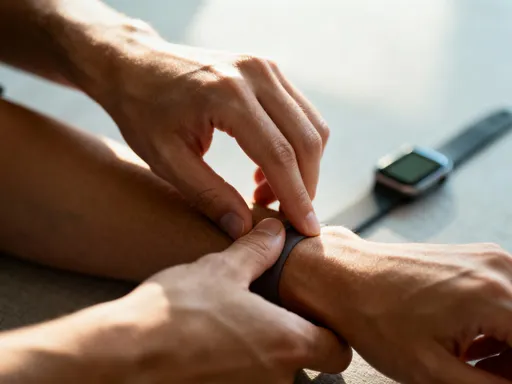
The second movement is neck and facial release. Using gentle fingertip pressure, I massaged along the jawline, temples, and base of the skull, focusing on areas that felt tight. I combined this with slow neck tilts—bringing the ear toward the shoulder—and chin-to-chest nods. This routine, done for three to four minutes, helped relieve tension stored in the face and neck, often caused by clenching or poor sleep posture. Over time, I noticed fewer flare-ups along my jawline and a smoother texture overall. The release of muscular tension improves local blood flow and reduces pressure on facial nerves and vessels, promoting healthier skin cell turnover.
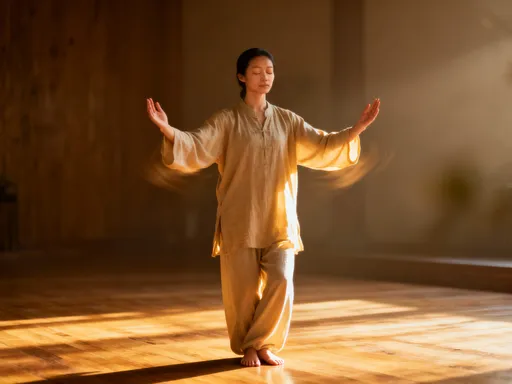
The third is shoulder rolls with arm sweeps. Sitting or standing, I rolled my shoulders forward and backward in slow, circular motions, then added wide arm sweeps—reaching arms out to the sides and overhead in a controlled arc. I performed two sets of ten repetitions, morning and evening. This movement dramatically improved circulation in the upper body, including the face. The sweeping motion engages the lymph nodes in the armpits and collarbone, aiding detoxification. I began to see a brighter complexion within days, especially after mornings when I committed to this routine before coffee.
The fourth and final movement is seated spinal twists. Sitting on the edge of a chair with feet flat, I placed one hand behind me and gently rotated my torso to the side, holding for a few breaths before switching sides. Two sets per side, done daily, improved my digestion and posture, both of which indirectly support skin health. Twisting motions massage internal organs, enhance blood flow to the abdominal region, and stimulate the vagus nerve, which helps regulate inflammation. Better digestion means fewer toxins circulating in the body, reducing the burden on the skin as an elimination organ.
What made these movements effective was not their complexity, but their consistency. I didn’t need special equipment or a lot of time—just five to eight minutes a day. I scheduled them after brushing my teeth in the morning and before turning off the lights at night. Over weeks, the cumulative effect transformed my skin from dull and reactive to calm, hydrated, and naturally radiant.
Timing, Rhythm, and Routine—Why Daily Beats Dramatic
In the world of fitness and wellness, there’s often an emphasis on intensity—long workouts, high effort, measurable progress. But during recovery, especially after illness or inactivity, the body thrives on rhythm, not rigor. What I learned is that short, daily sessions of gentle movement are far more effective than occasional, longer ones. Five minutes every day builds momentum; skipping days breaks the rhythm and delays results.
The key is integration. Instead of treating these movements as a separate “workout,” I embedded them into existing habits. After brushing my teeth, I moved straight into diaphragmatic breathing and shoulder rolls. Before bed, I combined neck release with spinal twists. These pairings made the routine feel effortless, almost automatic. Habit stacking—linking a new behavior to an established one—reduced the mental load and increased adherence. I didn’t have to remember to do the exercises; they became part of my daily flow.
Tracking small wins also played a crucial role in maintaining motivation. At first, the changes were subtle: my skin felt less tight in the morning, or my face looked less puffy after a few days of consistent breathing. I didn’t expect overnight transformation, but these tiny improvements reinforced the value of the practice. Over time, the benefits compounded—better sleep, improved mood, and a complexion that no longer needed heavy concealment.
Equally important was avoiding overexertion. There were days when I felt stronger and tempted to do more, but I reminded myself that recovery skin thrives on gentleness. Pushing too hard could trigger inflammation or fatigue, counteracting the healing process. The goal wasn’t to build muscle or burn calories, but to restore balance. By honoring my body’s pace, I allowed healing to unfold naturally, without resistance.
Pairing Movement with Lifestyle Basics for Real Results
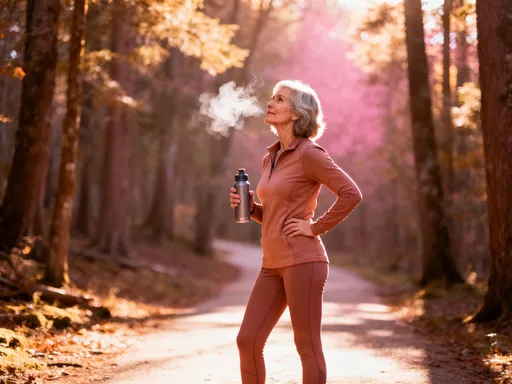
While movement was the catalyst, it didn’t work in isolation. True skin revival required alignment with other foundational habits: hydration, sleep, and nutrition. What surprised me was how much more effective these basics became once I added movement to the equation. For example, I had always struggled to drink enough water, but after morning breathing and shoulder rolls, I felt a natural thirst—a signal that my body was ready to absorb fluids. Drinking a glass of water post-movement felt intuitive, not forced, and I noticed my skin stayed plumper throughout the day.
Sleep quality also improved. Evening stretches, especially spinal twists and neck release, helped me unwind and transition into rest. My body felt more relaxed, and I fell asleep faster. Since skin repair peaks during deep sleep, better rest meant more efficient cell turnover and reduced inflammation. I no longer woke up with a dull or sallow complexion; instead, my skin looked refreshed, as if it had been quietly renewing itself overnight.
Nutrition played a supporting role, but not in an extreme way. I focused on balanced meals rich in whole grains, lean proteins, and colorful vegetables—foods that provide the building blocks for collagen and barrier function. Movement enhanced digestion, making it easier for my body to extract and utilize these nutrients. I didn’t adopt restrictive diets or expensive supplements; instead, I trusted that consistent, gentle motion was amplifying the benefits of good food.
The synergy between movement and lifestyle created a positive feedback loop. Better circulation from exercise improved nutrient delivery; better sleep enhanced recovery; better hydration supported detoxification. Each element reinforced the others, making the whole greater than the sum of its parts. This holistic approach didn’t promise perfection, but it delivered steady, sustainable progress—exactly what recovery demands.
When to Seek Help—and Why This Isn’t a Cure-All
It’s important to be clear: these movement-based practices are supportive, not curative. They are designed to complement recovery, not replace medical treatment. If skin issues persist—such as severe rashes, chronic acne, or unexplained lesions—it’s essential to consult a dermatologist. Similarly, if pain, stiffness, or mobility challenges remain after illness, a physical therapist can provide personalized guidance and ensure safe progression.
There were moments in my journey when I questioned whether I was doing enough or doing it right. A lingering red patch or unexpected breakout would spark doubt. But I learned to listen to my body and recognize when professional input was needed. I visited my doctor to rule out underlying conditions and worked with a therapist to refine my movement routine. These steps didn’t diminish my efforts—they validated them.
The value of professional support lies in precision. A dermatologist can identify whether a skin concern is inflammatory, hormonal, or infectious. A physical therapist can tailor exercises to individual needs, ensuring proper form and avoiding strain. These experts don’t negate the power of self-care; they enhance it by providing clarity and safety.
Empowerment comes not from doing everything alone, but from knowing when to reach out. Small actions build resilience, but so does wisdom. Healing is not a solo journey—it’s a collaboration between personal effort and expert care.
Healing Skin from the Inside Out
Looking back, I realize that my skin’s recovery was never just about the surface. It was about reawakening my body’s natural rhythms, one breath, one stretch, one mindful moment at a time. The glow I eventually regained wasn’t from a new cream or a miracle treatment—it came from consistency, compassion, and a deeper understanding of how skin health is woven into the fabric of overall wellness.
This journey taught me that healing is not linear. There were days of progress and days of setback. But by focusing on small, sustainable actions, I built resilience—not just in my skin, but in my entire being. The movements I adopted were simple, but their impact was profound. They reminded me that the body is designed to heal, especially when given the right conditions: movement, rest, nourishment, and patience.
To anyone struggling with skin changes after illness or inactivity, I offer this: start small. Don’t reach for the serum first. Take a deep breath. Roll your shoulders. Gently release the tension in your neck. These micro-efforts may seem insignificant, but over time, they create a foundation for true revival. Skin health is not a cosmetic goal—it’s a reflection of inner balance. And sometimes, the most powerful skincare routine begins not with a jar, but with a movement.