How I Stay Ahead of Illness with This No-Fuss Daily Move Routine
We all want to avoid sickness before it starts—but what if the best defense isn’t a pill, but movement? I used to think disease prevention meant diet or supplements only, until I tested a simple daily exercise habit. Within weeks, my energy shifted, my immunity felt stronger, and my doctor noticed improvements. This isn’t magic—just science-backed motion done consistently. Let me walk you through how small, smart movement adds up to real protection. It’s not about intense workouts or gym memberships. It’s about integrating gentle, intentional movement into your day, every day. And the best part? It takes less time than brushing your teeth twice over.
The Hidden Power of Daily Motion in Preventing Disease
Most people think of illness prevention in terms of avoiding germs—washing hands, taking vitamins, or getting vaccinated. While these are important, they only address half the picture. The other half is your body’s internal resilience: its ability to respond to threats, repair damage, and maintain balance. This is where daily movement plays a quiet but powerful role. Unlike occasional bursts of exercise, consistent low-intensity motion supports the body’s foundational systems in ways that build long-term health.
Scientific research shows that regular physical activity strengthens immune function by enhancing the circulation of immune cells. When you move, your lymphatic system—a network responsible for removing waste and fighting infection—becomes more active. Unlike the bloodstream, which is pumped by the heart, the lymph system relies on muscle contractions to circulate fluid. This means that even light movement like walking or stretching helps flush toxins and deliver immune defenses where they’re needed.
Beyond immunity, daily motion improves circulation and metabolic health. Poor blood flow and sluggish metabolism are common precursors to chronic conditions such as type 2 diabetes and cardiovascular disease. Studies have found that individuals who engage in regular physical activity, even at low intensity, have lower levels of systemic inflammation—a key driver of many chronic illnesses. Movement helps regulate blood sugar, improve insulin sensitivity, and support healthy blood pressure, all of which contribute to a more resilient body.
Consider the real-world impact: a large-scale study published in the British Journal of Sports Medicine followed over 300,000 adults and found that those who met minimum physical activity guidelines had a 20–30% lower risk of developing heart disease and type 2 diabetes. The activity that made the difference wasn’t marathon running or high-intensity training—it was consistent walking, light gardening, or household chores done regularly. This suggests that the cumulative effect of small movements throughout the day can significantly reduce long-term health risks.
Why "Quick" Exercise Beats Long Workouts for Prevention
When we think of exercise, many of us imagine long gym sessions, sweat-drenched workouts, or structured fitness classes. But for the purpose of disease prevention, short, frequent bursts of movement may be more effective than extended workouts. The science behind this lies in how the body responds to activity on a hormonal and cellular level. Brief episodes of motion trigger beneficial changes in insulin regulation, reduce inflammation, and support cellular repair—without the stress that prolonged exertion can sometimes cause.
One of the most well-documented benefits of short daily movement is improved insulin sensitivity. Insulin is the hormone that helps cells absorb glucose from the bloodstream. When cells become resistant to insulin, blood sugar remains elevated, increasing the risk of metabolic disorders. Research shows that just 5 to 10 minutes of light activity—such as walking or bodyweight exercises—after meals can significantly lower post-meal glucose spikes. This is especially valuable for women over 40, whose metabolism naturally slows and who may be at higher risk for insulin resistance.
Additionally, frequent movement helps regulate stress hormones like cortisol. Chronic stress contributes to inflammation and weakens immune function. Short physical breaks during the day act as natural resets, signaling the nervous system to shift from “fight-or-flight” to “rest-and-digest” mode. This not only supports mental clarity but also strengthens the body’s ability to fend off illness.
Contrast this with marathon training or intense weekly workouts. While these have their place, they don’t necessarily offer the same protective benefits for everyday health. In fact, excessive exercise without adequate recovery can increase inflammation and temporarily suppress immune function. The goal for prevention isn’t peak performance—it’s steady, sustainable support for the body’s systems. That’s why micro-movements, done consistently, are more effective than occasional endurance feats. They keep the body in a state of gentle activation, priming it to respond to challenges before they become problems.
My Go-To 10-Minute Daily Movement Blueprint
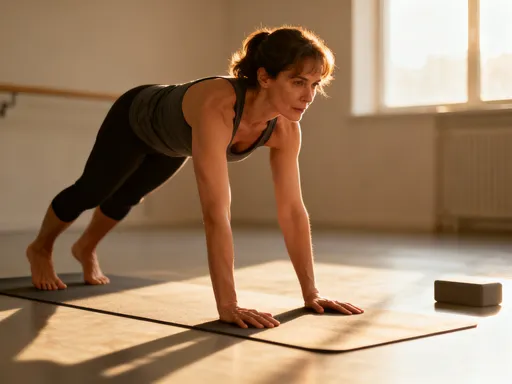
You don’t need a gym, special equipment, or even a lot of time to build a preventive movement habit. The routine I’ve followed for over a year takes just 10 minutes total and is divided into three simple segments: morning activation, midday reset, and evening wind-down. Each part is designed to match the body’s natural rhythms and support different aspects of health throughout the day.
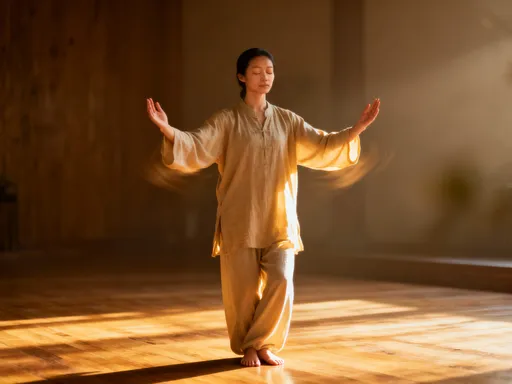
The morning activation takes 3 minutes and focuses on waking up the body. I start with 1 minute of deep breathing while standing—inhaling through the nose for four counts, holding for four, exhaling for six. This calms the nervous system and increases oxygen flow. Next, I do 1 minute of dynamic stretches: arm circles, gentle torso twists, and ankle rolls. Finally, I perform 10 slow squats, focusing on form rather than speed. This sequence increases circulation, loosens stiff joints, and signals the body that a new day has begun.
The midday reset is a 4-minute break I take around lunch or early afternoon, especially if I’ve been sitting for hours. I begin with 2 minutes of walking—either around my home, up and down the stairs, or in place if space is limited. Walking is one of the most effective ways to stimulate lymph flow and improve digestion. Then, I do 10 standing knee lifts (alternating legs), which engage the core and improve balance. I finish with 1 minute of shoulder rolls and neck stretches to release tension from computer work or household tasks.
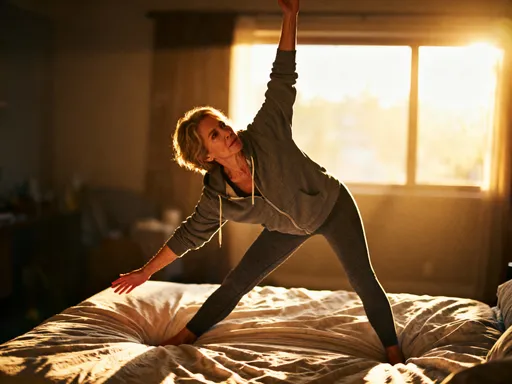
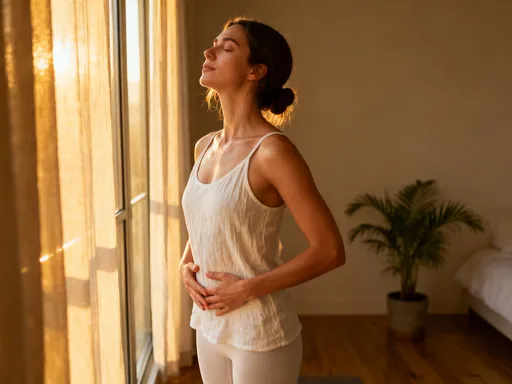
The evening wind-down lasts 3 minutes and helps the body transition into rest. I sit on the floor or edge of the bed and spend 1 minute stretching my hamstrings and lower back—simple forward bends with relaxed arms. Then, I do 2 minutes of diaphragmatic breathing: placing one hand on the chest, one on the belly, and breathing deeply so the abdomen rises with each inhale. This practice lowers heart rate and prepares the body for quality sleep, which is essential for immune recovery and cellular repair.
What makes this routine effective isn’t its complexity, but its consistency. By syncing movement with daily habits—like after brushing my teeth, before checking my phone, or while waiting for dinner to cook—I’ve made it nearly automatic. It doesn’t feel like a chore, and I never have to “find” time for it. Over time, these small actions have added up to noticeable improvements in how I feel day to day.
How This Routine Targets Key Health Threats
Each element of this 10-minute routine is designed to address specific health risks that become more common with age. Cardiovascular disease, joint stiffness, metabolic slowdown, and chronic stress are not inevitable—they can be actively managed through intelligent, daily movement. The beauty of this approach is that it doesn’t target just one system; it creates a ripple effect across the entire body.
Take walking, for example. A simple activity often overlooked, walking is one of the most effective ways to support heart health. It strengthens the heart muscle, improves circulation, and helps maintain healthy blood pressure. But its benefits go deeper: walking stimulates the lymphatic system, enhancing the body’s ability to detect and destroy pathogens. This is especially important as we age, when immune surveillance tends to decline. Just 5 minutes of walking after meals can also help regulate blood sugar, reducing the risk of insulin resistance and type 2 diabetes.
Squats, even done slowly and without weight, play a crucial role in metabolic health. They engage large muscle groups in the legs and glutes, which are major sites for glucose uptake. When you perform squats, you activate these muscles, making them more responsive to insulin. This helps clear sugar from the bloodstream more efficiently. Over time, this reduces the strain on the pancreas and lowers the risk of developing metabolic syndrome. For women in their 40s and beyond, preserving muscle mass through bodyweight movements like squats is key to maintaining a healthy metabolism.
Breathing drills, though not typically thought of as “exercise,” are powerful tools for stress reduction. Chronic stress elevates cortisol, which over time can suppress immune function, increase inflammation, and disrupt sleep. Deep, diaphragmatic breathing activates the parasympathetic nervous system, signaling the body to relax. This not only improves sleep quality but also enhances recovery and immune resilience. When combined with gentle stretching, breathing exercises help release physical tension stored in the neck, shoulders, and back—common trouble spots for women managing busy households.
The domino effect of these small movements is profound. Better circulation leads to improved energy. Reduced stress supports better digestion and hormonal balance. Enhanced sleep quality strengthens immune memory. Each of these outcomes contributes to a body that is not just surviving, but thriving. Prevention, in this sense, isn’t about avoiding one illness—it’s about building a foundation of health that makes all diseases less likely to take hold.
Making It Stick: Behavior Hacks for Lasting Results
Knowing what to do is one thing; doing it consistently is another. The real challenge isn’t the routine itself—it’s forming a lasting habit. This is where behavioral psychology offers simple, effective strategies. The key is not willpower, but design: structuring your environment and daily routines so that movement becomes the path of least resistance.
One of the most effective methods is habit stacking—pairing a new behavior with an existing one. For example, I do my morning activation right after brushing my teeth. Since I already have a strong habit of brushing twice a day, it’s easy to attach the movement routine to it. Similarly, I take my midday reset right after finishing lunch. These anchors make the new habit automatic over time. You can apply this to any part of your day: after hanging up the phone, before starting the dishwasher, or while waiting for the kettle to boil.
Environmental cues are equally important. I keep a pair of walking shoes by the front door so I see them every time I enter or leave the house. This visual reminder makes it easier to step outside for a short walk. I also use sticky notes on my computer monitor or fridge with simple prompts like “Move now” or “Breathe deeply.” These cues break the autopilot mode of daily life and bring attention back to the body.
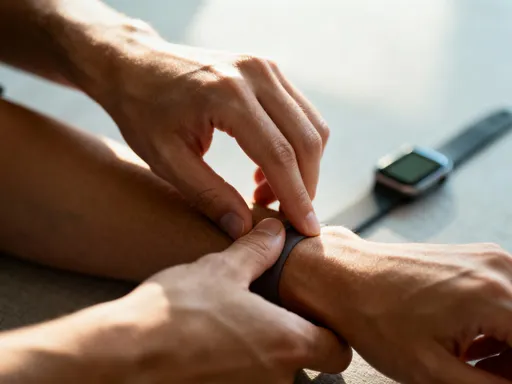
Technology can help too. A smartwatch with a gentle hourly reminder to stand or move has been a game-changer. It doesn’t demand a workout—just a minute of walking or stretching. Over time, these nudges retrain your awareness of physical stillness. Instead of sitting for hours without noticing, you begin to feel the need to move, almost instinctively.
When tracking progress, I focus on consistency, not performance. I don’t count reps or calories—I mark an X on a calendar for each day I complete the routine. The goal is not perfection, but continuity. Missing a day doesn’t mean failure; it means starting again the next day. This mindset reduces pressure and makes the habit more sustainable. Over time, the streak itself becomes motivating. Seeing a string of X’s builds a sense of accomplishment that’s far more powerful than any number on a scale.
What Science Says: Movement as a Shield, Not a Cure
It’s important to emphasize that movement is not a cure for disease. It is, however, one of the most powerful tools we have for prevention. Decades of research support the role of regular physical activity in reducing the risk of chronic illness and improving overall resilience. The World Health Organization and the Centers for Disease Control and Prevention both recommend at least 150 minutes of moderate-intensity aerobic activity per week, along with muscle-strengthening activities on two or more days. But even small amounts of movement, when done consistently, offer measurable benefits.
A 2020 review published in the journal *Progress in Cardiovascular Diseases* analyzed data from multiple studies and concluded that regular physical activity reduces the risk of upper respiratory infections by up to 40%. The mechanism? Enhanced immune surveillance and reduced chronic inflammation. Similarly, a study in *The Lancet* found that individuals who met physical activity guidelines had a 20–30% lower risk of premature death from all causes, including heart disease, stroke, and certain cancers.
These findings aren’t limited to intense exercise. Light to moderate activities—such as walking, gardening, or household chores—are strongly associated with health benefits. The key factor is regularity. The body thrives on rhythm. When movement becomes a daily rhythm, it supports the immune system, metabolism, and nervous system in a continuous, cumulative way. This is why short, frequent bouts of activity can be just as effective, if not more so, than longer, infrequent workouts.
Experts agree: movement is a foundational pillar of preventive health, alongside nutrition, sleep, and stress management. It doesn’t replace medical care, vaccines, or prescribed treatments. Instead, it enhances their effectiveness by creating a body that is better equipped to respond to challenges. Think of it as building a stronger immune army, not declaring war on illness. The goal is not to eliminate risk entirely—that’s impossible—but to shift the odds in your favor.
Putting It All Together: Your Realistic Path to Resilience
Building a resilient body doesn’t require drastic changes or extreme measures. It begins with small, intentional choices repeated over time. The 10-minute movement routine outlined here is not a one-size-fits-all solution, but a template you can adapt to your life. If you have limited space, do seated stretches. If you have joint concerns, replace squats with chair stands. If mornings are too rushed, shift the activation to the evening. The goal is not perfection, but presence—showing up for your body every day, in whatever way you can.
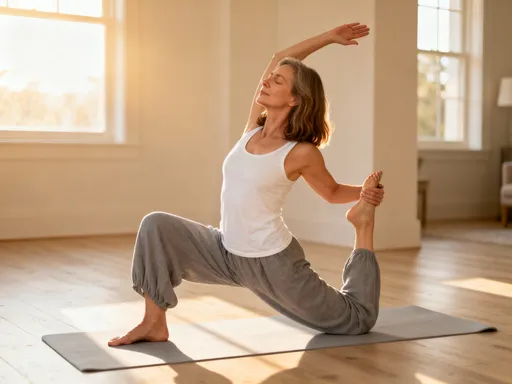
Customization is key. Some women may prefer yoga-inspired movements, while others find strength-building more motivating. The important thing is to choose activities that feel good and fit your lifestyle. You don’t need special clothes or equipment. You don’t need to track every minute. What matters is consistency and intention. Even 5 minutes a day is a meaningful start. Over weeks and months, those minutes accumulate into real, measurable changes in energy, mood, and health.
Before beginning any new routine, especially if you have pre-existing health conditions, it’s essential to consult with a healthcare provider. This is not a substitute for medical advice, but a complement to it. Movement should enhance your health, not strain it. Listen to your body. If something hurts, modify it. If you’re tired, scale back. This is not about pushing through pain—it’s about nurturing your body with kindness and care.
In the end, prevention is not a dramatic event. It’s the quiet, daily act of showing up for yourself. It’s choosing to move when you could sit. It’s breathing deeply when you could rush. It’s investing in your long-term well-being, one small motion at a time. And while no habit can guarantee perfect health, this one comes close to offering something profound: a sense of agency, strength, and peace in a world full of uncertainty. That, perhaps, is the greatest protection of all.